Yesterday, to-day, and forever
The Good Shepherd“Yesterday, to-day, and forever” is George Krause’s private formula of renewal: spoken after he has passed his own inspection, it turns an ordinary moment of self-checking into a meditation on life’s transience and immortality. The phrase, drawn from Hebrews viii, links the shipboard present to the prospect of a life beyond the grave.
The Phrase as a Habit
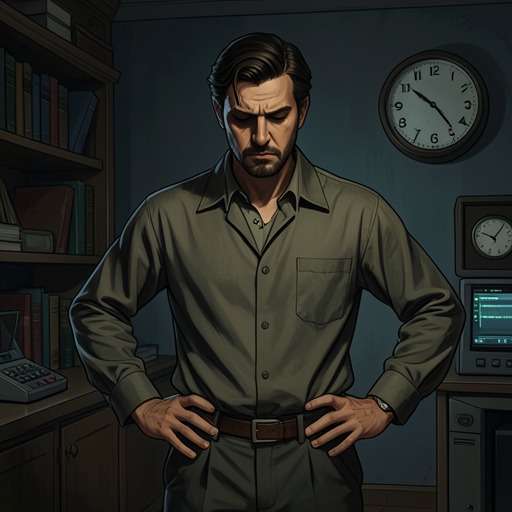
Krause repeats the words to himself whenever he has passed his inspection. Their recurrence makes them part of a personal routine: after attending to his appearance, he pauses, lowers his eyes, and gives his attention to the thought the phrase carries. The words mark the beginning of what he understands as another stage in his journey through the temporary world.
Time, Mortality, and the Shipboard Present
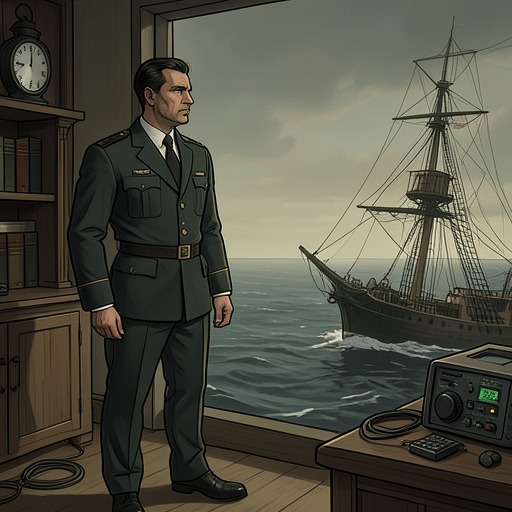
The phrase holds two scales of time together. Krause’s immediate world is the destroyer’s restless motion, which his body has learned to accommodate through thirteen years at sea; his thoughts, meanwhile, turn toward the soul’s immortality and the transience of earthly things. By placing a meditation on eternity inside this physically unstable setting, the passage makes the habitual words a point of inward steadiness, without suggesting that the sea itself has become still or that earthly danger has passed.